
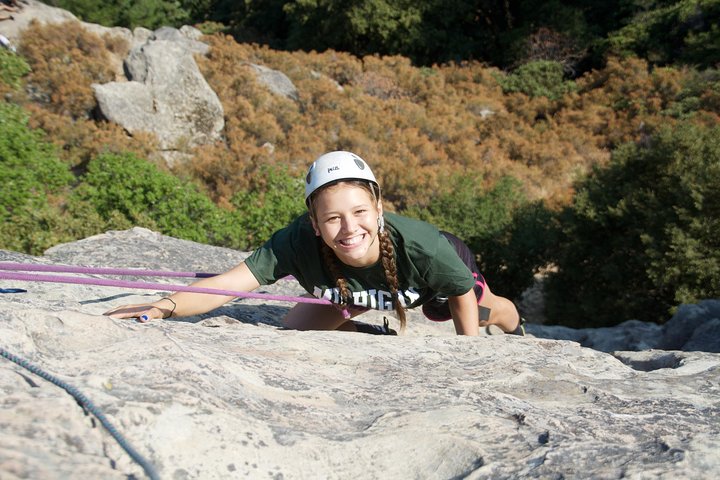
First Belay: A Beginner's Half-Day on Castle Rock's Sandstone Faces
Spend a half day learning knots, belays, and outdoor technique on Castle Rock's approachable sandstone faces
The morning air at Castle Rock tastes of damp redwood and granite dust, a scent that seems to sharpen the senses. Under an open, cobalt slice of sky, a ribbon of sandstone juts from the forest like a weathered spine, handholds and ledges catching the light. Your guide clips a rope, checks a harness, and the small group moves with the quiet efficiency of people who have learned that patience is as important as strength. This is not about conquering peaks. It is about the first time your foot finds purchase on a slab and you realize you can trust the rope to carry you beyond your comfort zone. If the idea of climbing outdoors makes you equal parts curious and nervous, the Beginner Outdoor Rock Climbing - Bay Area clinic is designed to turn that nervous energy into forward motion in a controlled, instructive package.
Trail Wisdom
Shoe Choice Matters
Wear climbing shoes with sticky rubber or rent a pair; they make slab and face climbs feel significantly easier.
Hydrate for a Half-Day
Bring at least 1.5 liters of water per person and a small electrolyte snack to maintain steady energy on the routes.
Arrive Early
Parking fills fast on sunny weekends; arrive 30 minutes before your scheduled time to sign in and prepare.
Listen to the Guide
Pay attention during safety demos and practice knots and commands until you feel comfortable—practice reduces anxiety on the wall.
Local Knowledge
Hidden Gems
- •Castle Rock Lookout for sweeping ridge views at sunset
- •Short loop trails that thread redwood groves and offer quiet post-climb strolls
Wildlife
Black-tailed deer, Pacific chorus frogs
Conservation Note
Practice leave no trace, use existing trails to approaches, and avoid walking on fragile vegetation around crags to minimize erosion and habitat loss.
Castle Rock became a California State Park to protect its unique rock outcrops and mixed forest habitats in the Santa Cruz Mountains.
Seasonal Guide
spring
Best for: mild temperatures, flowering trails, beginner-friendly conditions
Challenges: mud after rains, cool mornings
Spring is ideal for comfortable climbing temps and low crowds on weekdays; expect wet patches if recent storms occurred.
summer
Best for: long daylight hours, dry rock, consistent conditions
Challenges: heat on exposed slabs, busier weekends
Summer brings predictable dry rock but plan climbs for morning to avoid heat on exposed sections.
fall
Best for: stable weather, crisper air, photography
Challenges: shorter days, occasional coastal fog
Fall is often the most pleasant season for climbing, with crispy air and excellent visibility in the afternoons.
winter
Best for: fewer crowds, rain-free windows on clear days
Challenges: wet, slippery rock, cooler temperatures
Winter can offer quiet days but avoid climbs after heavy rain; always check rock conditions as sandstone retains moisture.
Photographer's Notes
What to Bring
Climbing shoesEssential
Sticky rubber enhances footwork and makes slab and face moves safer and more efficient
Harness and helmetEssential
Most guides provide these, but bringing your own ensures a familiar fit and comfort
Water bottle (1.5L+)Essential
Hydration is essential during exertion and sun exposure on exposed routes
Light, breathable layersEssential
Layering helps you adapt from cool shaded approaches to warm slab exposures
Common Questions
Do I need prior climbing experience to join this clinic?
No. The clinic is designed for complete beginners and covers basic knots, belay technique, and top-rope climbing.
What does the price include?
Price typically covers guided instruction, ropes, harnesses, helmets if you do not have your own, and park access as required.
How physically demanding is a 4-hour session?
It is moderate. Expect short hikes and repeated climbing attempts that use leg and core strength more than raw upper-body power.
Is climbing safe for people afraid of heights?
Guides teach progressive exposure management, but comfort with heights varies by person; communicate your limits and the guide will adapt.
What footwear should I bring?
If you own them, bring climbing shoes; otherwise many outfits offer rentals—wear close-toed shoes for the approach.
Are there age limits for participants?
Age policies vary by operator; many programs accept teens with parental consent but check when booking.
What to Pack
Climbing shoes or rental for better footwork; harness and helmet if you own them for comfort; 1.5L water to stay hydrated; light snacks for sustained energy
Did You Know
Castle Rock State Park protects roughly 5,200 acres of the Santa Cruz Mountains and is renowned for its unique sandstone outcrops and trail network.
Quick Travel Tips
Book weekend clinics in advance; arrive 30 minutes early; carry cash or a park pass for parking; check the weather and recent rainfall before heading out
Local Flavor
After a session, head to downtown Los Gatos for farm-to-table cafes and a craft brewery, or drive toward Santa Cruz for oceanfront seafood and a mellow surf town vibe. Many climbers grab a coffee and unwind while trading beta on routes.
Logistics Snapshot
Closest airport: San Jose Mineta (SJC); Driving time: about 30–40 minutes from San Jose; Cell service: patchy in shaded canyons; Permits/Passes: no special climbing permits required for day use, but check California State Parks parking fees or carry a state parks pass
Sustainability Note
This park is a sensitive habitat; stick to established approaches, pack out all trash, and avoid cleaning or bolting rock without permission to preserve access for future climbers.
Continue Reading

Close to the Clouds: Climbing Mount Meru’s Volcanic Ridges
A three- to four-day climb through montane forest, volcanic ash, and alpine ridgelines—Mount Meru offers wildlife, technical fitness challenges, and sweeping summit views a short drive from Arusha.
Arusha, Arusha Region

Vertical Limestone: A Half-Day Climb at Batu Caves
Spend a compact morning learning to read limestone and push your limits on 30‑meter routes at Batu Caves. This half-day guided climb pairs technical coaching with a culturally rich setting—perfect for first-timers and seasoned climbers seeking quick, high-quality vertical time.
Kuala Lumpur, Selangor