
Sandstone and Seams: A Half-Day Ascent in Moab’s Redrock Classroom
Learn friction and finesse on single-pitch sandstone climbs beneath Moab’s red-skied canyons.
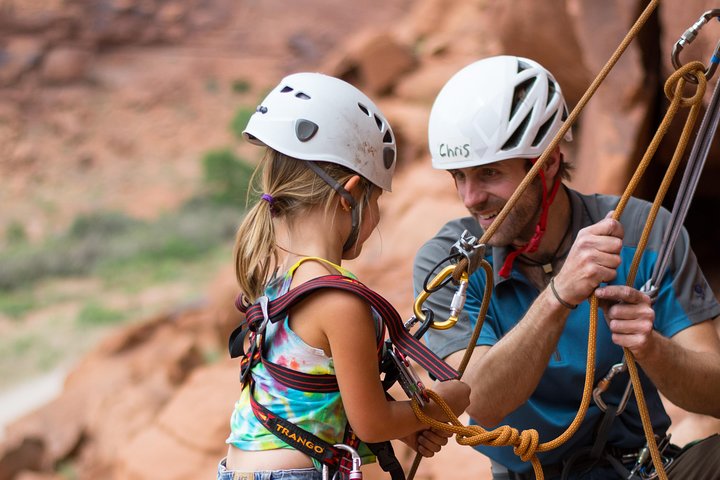
The sun arrives early in Moab, slanting through fins of red sandstone and turning the canyon walls into living maps of orange and rust. On a half-day climb, you learn to read those maps: tiny pockets that become handholds, thin seams that demand a careful toe, and broad faces that roll away below your feet like a desert ocean. The first pitch feels like a conversation between you and the stone — the crack daring you to commit, the dome nudging you sideways — and the guides are translators, showing the quiet grammar of friction, smear, and balance.
Trail Wisdom
Start Early
Morning sessions avoid peak heat and deliver better friction on exposed sandstone.
Respect Cryptobiotic Soil
Stick to established approaches to avoid damaging fragile biological soil crusts that stabilize desert ecosystems.
Hydrate Strategically
Carry at least 1.5–2 liters of water and sip regularly; desert heat can dehydrate you faster than you expect.
Trust the Guide
Guides set anchors and manage rope systems—follow their instructions carefully to maximize safety and learning.
Local Knowledge
Hidden Gems
- •Short, unmarked viewpoints along the approach with panoramic canyon perspectives
- •Small slot-canyon photo spots near popular crags (respect access and private signage)
Wildlife
Desert bighorn sheep, Western scrub-jay
Conservation Note
Most climbing access is on BLM land—pack out what you bring, avoid excessive chalk use, and stay on established approaches to protect cryptobiotic soils.
The region’s Entrada and Navajo sandstones formed from ancient dunes and coastal sediments; Indigenous peoples have longstanding ties to the wider canyonlands.
Seasonal Guide
spring
Best for: Comfortable temperatures, Wildflower accents, Skill-building sessions
Challenges: Windy days, Variable afternoon temps
Spring offers mild climbing temperatures and photogenic light, though wind and late-season storms can appear—dress in layers.
summer
Best for: Extended daylight, Early-morning coolness, Consistent sport-route friction in shade
Challenges: High heat, Dehydration risk, Midday closures desirable
Summer sessions should be early; expect high desert heat and plan shade, extra water, and sunscreen.
fall
Best for: Blue-sky weather, Ideal temperatures, Long climbing windows
Challenges: Popular season means busier crags
Fall is prime climbing season with steady temperatures and excellent light—book ahead on busy dates.
winter
Best for: Quieter crags, Cool rock for hard movement, Low-season rates
Challenges: Cold snaps, Possible icy patches on ledges
Winter can be tranquil but chilly; check conditions and be prepared for slick frozen sections after nights below freezing.
Photographer's Notes
What to Bring
Approach ShoesEssential
Sticky soles handle slickrock approaches and provide traction on short hikes.
Climbing Chalk Bag
A small amount of chalk helps maintain friction on hands during multiple climbs—use sparingly to protect the rock.
Sun Protection (Hat + SPF)Essential
Wide-brim hat and high SPF protect against intense desert sun during approaches and belays.
Hydration Pack (1.5–2L)Essential
Hands-free water access keeps you hydrated between climbs and reduces heat risk.
Common Questions
Do I need previous climbing experience?
No—this half-day is designed for beginners and intermediate climbers; guides tailor routes to skill level and teach basics like belaying and rope safety.
Is gear provided?
Yes—guides provide harnesses, helmets, ropes, and technical gear; you may bring personal gear if preferred.
How physically demanding is the outing?
Expect moderate exertion: short hikes and several climb-and-belay rotations; basic fitness and comfort with heights are helpful.
Are there age or weight limits?
Policies vary by operator; typically participants must be at least 8–10 years old and within safe weight limits—confirm with the provider when booking.
What happens if it rains?
Sandstone is fragile when wet; guides will reschedule or cancel if conditions make climbing unsafe to protect both climbers and rock.
Where do we meet and how long is the drive to crags?
Meeting is usually in Moab town with short drives (10–25 minutes) to nearby climbing areas on BLM land—specific meeting details come with your confirmation.
What to Pack
Approach shoes for slickrock traction; Hydration pack (1.5–2L) to avoid dehydration; Sun protection (hat + SPF) for exposed belays; Light layering jacket for changing desert temperatures
Did You Know
Arches National Park and the surrounding Moab area contain one of the highest concentrations of natural sandstone arches in the world—Arches alone preserves over 2,000 documented arches.
Quick Travel Tips
Book morning sessions to avoid heat; Rent approach shoes if you don’t own them; Confirm meeting location and pickup details with the operator; Carry a physical copy of emergency contact info—cell service can be spotty.
Local Flavor
After a climb, head into Moab for local craft beer at a nearby brewery or a hearty meal—try regional game dishes or Southwestern-inspired plates; the town’s laid-back patios are the best places to swap beta and plan your next route.
Logistics Snapshot
Closest airport: Canyonlands Field (CNY) or Grand Junction Regional (GJT); Typical drive from Moab town: 10–25 minutes to crags; Cell service: Good in town, spotty at some crags; Permits/passes: No special permit for guided climbs on BLM land but follow operator guidance and local access rules.
Sustainability Note
This climbing takes place on public desert lands—pack out all trash, avoid creating new trails, minimize chalk use, and step around cryptobiotic soil to preserve fragile desert ecosystems.
Continue Reading

Close to the Clouds: Climbing Mount Meru’s Volcanic Ridges
A three- to four-day climb through montane forest, volcanic ash, and alpine ridgelines—Mount Meru offers wildlife, technical fitness challenges, and sweeping summit views a short drive from Arusha.
Arusha, Arusha Region

Vertical Limestone: A Half-Day Climb at Batu Caves
Spend a compact morning learning to read limestone and push your limits on 30‑meter routes at Batu Caves. This half-day guided climb pairs technical coaching with a culturally rich setting—perfect for first-timers and seasoned climbers seeking quick, high-quality vertical time.
Kuala Lumpur, Selangor