
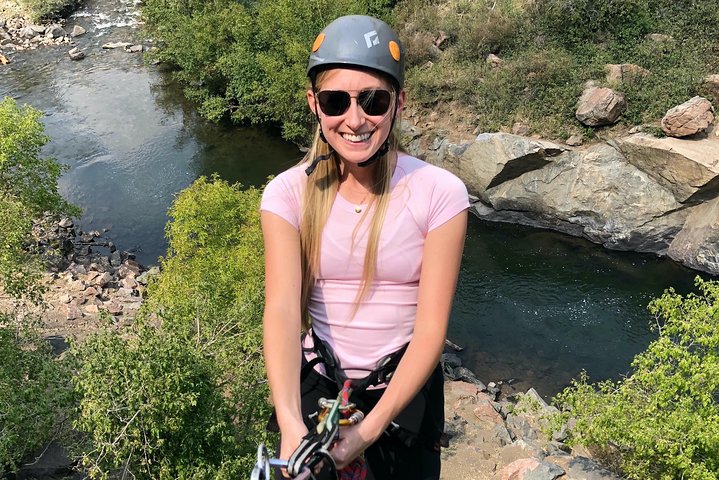
Three Hours on the Wall: Climbing Colorado's Front Range from Denver
Three hours from Denver, a guide, and the wall—what you learn on the Front Range matters more than how far you climb.
You leave the skyline of Denver in your rearview and, within half an hour, the city loosens its grip. The air grows thinner in tone and cleaner in taste; the horizon tilts up into a wall of stone. The Front Range is less a single mountain and more a succession of invitations to climb, and on a clear morning a half-day trip from Denver can turn you into a temporary member of that vertical community.
Trail Wisdom
Start Early
Morning sessions avoid heat and crowds on popular routes and provide better light for movement and photos.
Footwear Matters
Bring sturdy approach shoes; climbing shoes are provided but solid approach footwear keeps your feet fresh on the walk-in.
Hydrate and Snack
Even a half-day session needs water and a small snack—guides include bottles and snacks, but pack extra if you sweat heavily.
Communicate Ability
Tell your guide honestly about experience limits so they can tailor routes and teach appropriate safety skills.
Local Knowledge
Hidden Gems
- •Less-trafficked practice walls with easy top-ropes for learning
- •Short canyon hikes with viewpoint benches for sunrise photos
Wildlife
Mule deer, Red-tailed hawk
Conservation Note
Local climbing areas rely on climbers to respect fixed anchors, avoid bolting new lines without approval, and follow Leave No Trace to preserve access.
Front Range climbing grew as accessibility improved with Denver’s expansion; many classic routes were developed in the mid-20th century by local climbing clubs.
Seasonal Guide
spring
Best for: Mild temps, Early-season technique sessions
Challenges: Unpredictable weather, Wet rock after storms
Spring offers cooler climbing conditions and fewer crowds but expect rapidly changing weather and occasional wet rock; choose sunny walls.
summer
Best for: Long daylight, Evening sessions, Consistent guide availability
Challenges: Heat and lightning risk, Crowds on weekends
Summer brings long days and frequent departures—plan morning or evening climbs to avoid heat and afternoon thunderstorms.
fall
Best for: Stable weather, Fall color, Excellent friction
Challenges: Shorter days, Peak booking demand
Autumn is ideal: cooler temps and great friction, but book early for weekend slots as this season fills fast.
winter
Best for: Technique practice on sheltered routes, Smaller crowds
Challenges: Cold temperatures, Possible ice or snow on approaches
Winter climbs require layers and careful route selection to avoid icy approaches; sheltered walls can still offer productive sessions.
Photographer's Notes
What to Bring
Approach ShoesEssential
Good traction and comfort on the approach keep your energy for climbing.
Sun Protection (hat & SPF)Essential
High-altitude sun is strong; protect skin and eyes during long exposures.
Light Insulating Layer
Wind and shade in canyons make mornings cool even on sunny days.
Small Camera or Phone with Wrist Strap
Capture movement and landscape shots without risking a dropped device.
Common Questions
Do I need prior climbing experience?
No—this guided trip accommodates beginners with top-rope instruction and safety briefing; inform the operator of your experience level when booking.
Is gear provided or should I bring my own?
All technical gear (ropes, harnesses, shoes) is provided; bring personal items like sunscreen, a water bottle, and approach shoes.
How fit do I need to be?
Moderate fitness is sufficient: you should be comfortable hiking a short approach and standing on your feet for several pitches of climbing.
What’s the cancellation policy?
This trip offers free cancellation and instant confirmation—check your booking for the operator’s specific cutoff times.
Are there age limits?
Age requirements may vary by operator; confirm at booking, but many providers accept adolescents when accompanied by an adult.
Is transportation included?
Yes—transport from Denver is included in this experience, shortening logistics and making it an easy day trip.
What to Pack
Approach shoes for the walk-in, sun protection (hat & sunscreen), a refillable water bottle for hydration, and a thin insulating layer for wind or shade
Did You Know
The Front Range is the easternmost range of the Rocky Mountains and was uplifted during the Laramide orogeny, a mountain-building event that began roughly 70 million years ago.
Quick Travel Tips
Book weekday mornings to avoid crowds, confirm pickup location in Denver, carry cash for incidental parking fees, expect limited cell service in tight canyons
Local Flavor
After a climb, head back toward Denver or Golden for local craft beer and hearty fare—towns near climbing areas have a strong outdoor-community vibe with breweries and casual restaurants perfect for swapping route beta.
Logistics Snapshot
Closest airport: Denver International (DEN) / Typical drive time to meeting point: ~25–40 minutes from central Denver / Cell service: variable in canyons / Permits/passes: usually none, but some parking fees or park passes may apply
Sustainability Note
Practice Leave No Trace: pack out all trash, avoid creating new bolting sites, and use chalk sparingly—local stewardship keeps routes open for everyone.
Continue Reading

Close to the Clouds: Climbing Mount Meru’s Volcanic Ridges
A three- to four-day climb through montane forest, volcanic ash, and alpine ridgelines—Mount Meru offers wildlife, technical fitness challenges, and sweeping summit views a short drive from Arusha.
Arusha, Arusha Region

Vertical Limestone: A Half-Day Climb at Batu Caves
Spend a compact morning learning to read limestone and push your limits on 30‑meter routes at Batu Caves. This half-day guided climb pairs technical coaching with a culturally rich setting—perfect for first-timers and seasoned climbers seeking quick, high-quality vertical time.
Kuala Lumpur, Selangor